Beyond Broken: Flexible Cake Balls from Any Leftover Cake
Picture this: You’ve spent hours baking a beautiful cake, the aroma filling your kitchen, your Pinterest board brimming with elaborate frosting designs. You carefully slide it out of the oven, let it cool, and then, the moment of truth... disaster strikes. The cake sticks to the pan, crumbles into a million pieces, or perhaps collapses under its own weight. It’s a moment of sheer heartbreak, leaving you staring at a pile of crumbs and wondering, "What do I do with a broken cake?" Or perhaps you're simply faced with a few slices of leftover cake from a party, too good to waste but not quite enough for another full dessert.
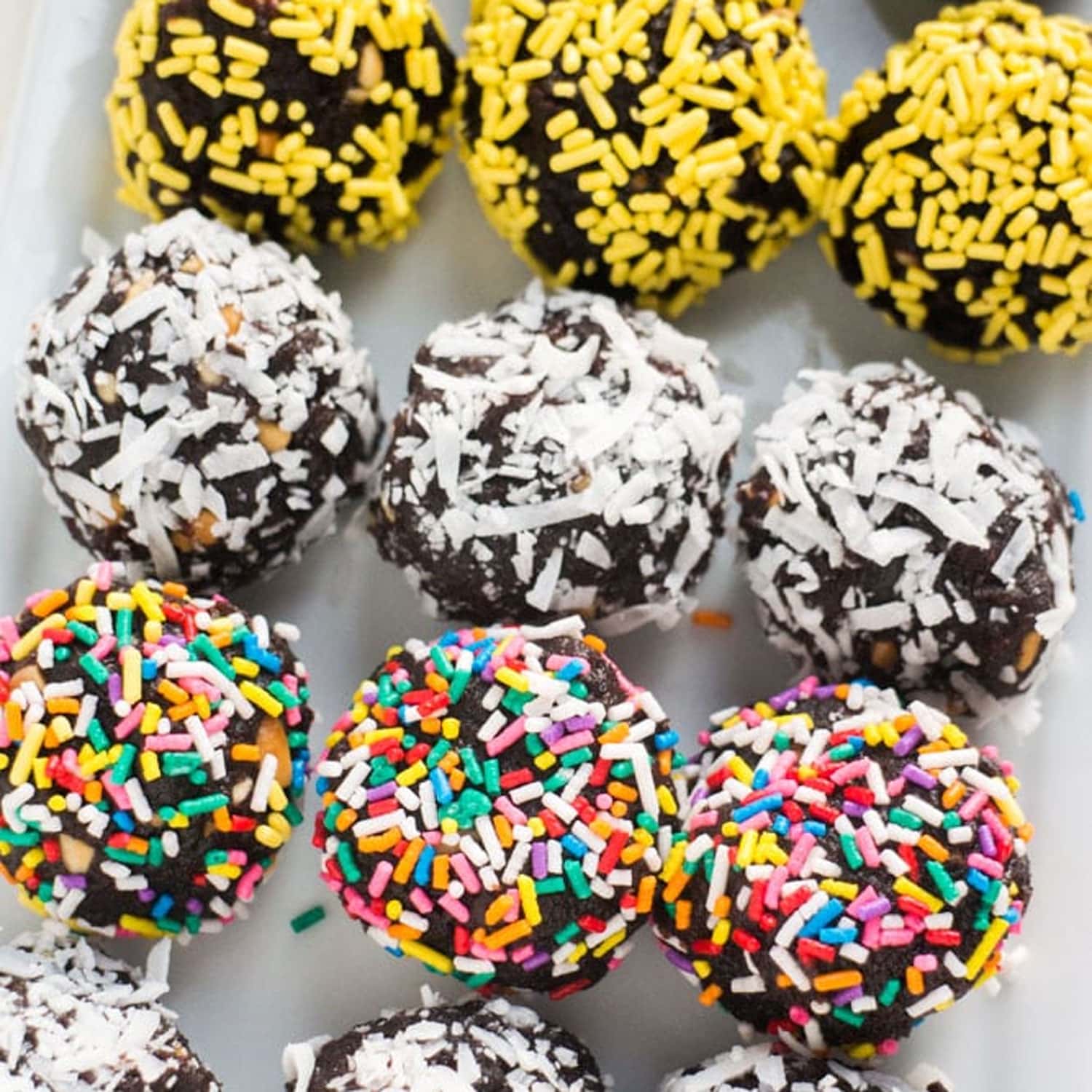
Before you shed a single tear or utter a single frustrated sigh, pause. Because that baking mishap, that pile of leftover cake, isn't a failure at all. It's an invitation to culinary creativity, a delightful opportunity to transform perceived imperfections into something truly extraordinary. We're talking about the ultimate no-waste dessert: chocolate peanut butter cake balls, or flexible cake balls crafted from any cake you have on hand. These decadent, bite-sized treats are so incredibly delicious, so perfectly satisfying, that you might just start wishing your cakes would fall apart more often!
This isn't just a recipe; it's a kitchen hack, a dessert philosophy. It’s about taking those crumbled dreams and molding them into delightful realities. And while we'll focus on the irresistible pairing of chocolate and peanut butter, the beauty of this method lies in its incredible adaptability. Ready to turn your baking blunder into a brilliant triumph?
Embracing the Baking Blunder: From Crumbs to Culinary Canvas
Let's be honest, we've all been there. The cake that sticks, the layers that tear, the one that sinks in the middle. Baking can be a delicate art, and sometimes, despite our best efforts, things don't go according to plan. Common culprits for a crumbling cake include:
- Under-baking: If the cake isn't fully cooked through, its structure won't be strong enough to hold together when removed from the pan.
- Over-mixing: Developing too much gluten can lead to a tough, crumbly texture.
- Improper Pan Preparation: Not greasing and flouring (or lining with parchment) adequately is a prime suspect for cakes sticking.
- Cooling Issues: Attempting to remove a cake from its pan while still too hot, or cooling it too rapidly, can cause it to break.
- Ingredient Imbalance: Too much leavening or not enough binding agents can also contribute to a fragile structure.
Whatever the reason, the outcome is often the same: a beautiful vision reduced to a pile of crumbs. But here's the secret: these crumbs are gold. They are the perfect foundation for a new, even more exciting dessert. Instead of viewing a broken cake as a defeat, see it as the raw material for something utterly magical. No-Waste Treat: Chocolate Peanut Butter Cake Balls Recipe are the ultimate testament to this philosophy, transforming potential food waste into a delightful indulgence.
Crafting Your Ultimate Chocolate Peanut Butter Cake Balls (The Core Recipe)
When it comes to chocolate peanut butter cake balls, the process is wonderfully simple and incredibly forgiving. This is what to make when a cake falls apart:
Step 1: The Cake Crumble
First things first: embrace the brokenness. Take your crumbled chocolate cake – whether it's one 9-inch round or two that met an unfortunate fate – and place it in a large mixing bowl. Using your hands, break it down further into fine crumbs. Ensure there are no large chunks; consistency is key here for a smooth cake ball. This step is surprisingly therapeutic!
Step 2: The Peanut Butter Magic
Now for the binder, the ingredient that transforms dry crumbs into a pliable, delicious dough. While the reference context suggests peanut butter frosting, you can also use a mixture of peanut butter and sweetened condensed milk, or even peanut butter and a little cream cheese, for a richer, tangier note. Pour your chosen peanut butter mixture directly over the cake crumbs. Don't worry if the vibrant color of the peanut butter seems to disappear into the chocolate cake; its unmistakable flavor will remain strong and true. You can use creamy peanut butter for a smooth texture or crunchy for an added textural surprise with embedded nuts.
Step 3: Mix, Roll, Chill
Using your hands (the best tools for this job!), thoroughly mix the cake crumbs and peanut butter binder until everything is uniformly combined and forms a moist, moldable dough. It should be sticky enough to hold together but not overly wet. Once mixed, scoop out tablespoon-sized portions and roll them into neat, uniform balls. A cookie scoop can be a great help for consistency. Place these raw cake balls on a parchment-lined baking sheet and pop them into the refrigerator for at least 45 minutes. This chilling time is crucial for helping them firm up and making the next step much easier.
Step 4: The Grand Finale: Coating and Setting
This is where you get to personalize your crumbled cake creations! Prepare your chosen coatings while the balls chill. The options are limitless:
- Classic Sprinkles: A colorful, festive touch.
- Shredded Coconut: Adds a tropical flair and chewy texture.
- Powdered Sugar: Simple, elegant, and melt-in-your-mouth sweet.
- Crushed Nuts: Chopped peanuts, pecans, or walnuts complement the peanut butter flavor perfectly.
- Crushed Candy/Cookies: Think crushed Oreos, pretzels, or even your favorite chocolate bar.
- Melted Chocolate/Candy Melts: For an extra layer of decadence, dip the chilled balls into melted chocolate (milk, dark, or white) and then add decorative drizzles or additional toppings.
Once your balls are chilled, roll each one generously in your chosen coating. After coating, return them to the refrigerator for at least another hour (or longer) to set completely. This ensures they hold their shape and have that perfect firm-yet-fudgy texture.
The Art of Flexibility: Adapting Your Cake Ball Creations
While chocolate peanut butter cake balls are undeniably a dream combination, the true genius of this recipe lies in its incredible flexibility. This method works for virtually any leftover cake, making it the perfect solution for "what to make when a cake falls apart," regardless of its original flavor profile.
- Chocolate Cake: As discussed, it's a match made in heaven with peanut butter.
- Vanilla Cake: Offers a sweeter, lighter base. It pairs beautifully with peanut butter (for a classic PB&J feel), or consider a cream cheese frosting binder for a tangy contrast, or even a lemon curd binder for something zesty.
- Marble Cake/Yellow Cake/Funfetti Cake: These versatile bases are excellent for experimenting. Try a simple buttercream binder, Nutella, or even Biscoff spread for a unique twist.
- Red Velvet Cake: The classic pairing here is undoubtedly cream cheese frosting as a binder.
- Carrot Cake/Spice Cake: A cream cheese frosting binder is also ideal, and you can roll them in chopped pecans or cinnamon sugar.
- Cupcakes: If you have extra cupcakes that didn't get frosted, simply remove the wrappers and crumble them up!
Beyond the cake itself, you can get creative with your binder and coatings:
- Binder Alternatives: Consider using cream cheese frosting, ganache (chocolate or white chocolate), Nutella, cookie butter, or even a simple buttercream. The key is a mixture that is moist enough to bind the crumbs.
- Creative Coatings: Expand beyond the basic. Try toasted coconut, edible glitter, finely crushed freeze-dried fruit for a tart burst, different colored candy melts, or a drizzle of caramel or white chocolate over a chocolate-dipped ball.
- Flavor Enhancers: A tiny splash of extract (peppermint, almond, orange) mixed into your binder can add an unexpected layer of flavor.
The possibilities are endless, allowing you to tailor your cake balls to any taste preference or occasion. Don't be afraid to experiment!
Beyond the Ball: Storage, Serving, and Savvy Tips
Once your flexible cake balls are perfectly set, they offer incredible versatility in how you enjoy and store them:
- Immediate Gratification: They are ready to be devoured right out of the fridge, offering a dense, fudgy, and intensely flavorful bite.
- Freezer-Friendly: This is one of their greatest assets! Place the chilled, coated cake balls in a single layer on a baking sheet and freeze until solid. Then transfer them to an airtight freezer bag or container. They will keep beautifully for up to 2-3 months. Thaw them in the refrigerator for a few hours or enjoy them slightly frozen for a firmer treat. This makes them perfect for meal prepping desserts or having a sweet treat ready for unexpected guests.
- Shelf Life: Stored in an airtight container in the refrigerator, cake balls typically last for about 1-2 weeks.
- Gift Giving: Arrange a selection of different flavored and coated cake balls in a decorative box for a thoughtful, homemade gift.
- Party Perfection: Serve them on a platter as bite-sized desserts at your next gathering. Their small size makes them easy to eat and minimizes mess.
Savvy Tips for Success:
- Don't Overmix the Dough: Mix just until combined to prevent overly dense or tough cake balls.
- Use a Cookie Scoop: For perfectly uniform cake balls, a small cookie scoop is invaluable. This ensures even chilling and consistent presentation.
- Quality Ingredients: While this recipe is for salvaging, using good quality peanut butter and fresh cake (even if broken!) will yield the best results.
- Chill is Key: Don't rush the chilling steps. They are essential for firm, easy-to-handle balls and a perfect final texture.
- Experiment with Textures: Combine smooth binders with crunchy coatings, or vice-versa, for an engaging sensory experience.
So, the next time your cake attempts a dramatic exit from its pan, or you find yourself with surplus slices, remember this: it's not a kitchen calamity, but a delicious diversion waiting to happen. Whether you opt for the classic, crowd-pleasing chocolate peanut butter cake balls or venture into creative flavor combinations, you're not just saving a cake; you're creating a new favorite treat, proving that sometimes, the best desserts are born from unexpected circumstances.
